How to Choose the Best Sustainable Packaging for Your Meal Prep Business
WS
Understanding Sustainable Packaging
In today’s environmentally conscious world, choosing sustainable packaging for your meal prep business is not only an ethical decision but also a strategic one. With consumers increasingly valuing eco-friendly practices, adopting sustainable packaging can enhance your brand image and attract more customers.
Sustainable packaging involves using materials and processes that have minimal environmental impact. This could mean using biodegradable, compostable, or recyclable materials. Understanding these options is the first step to making an informed choice.
Evaluate Your Business Needs
Before diving into specific materials, consider the unique needs of your meal prep business. Ask yourself questions like: What types of meals are you packaging? How long do they need to stay fresh? Your packaging must not only be sustainable but also functional and suitable for your products.
Consider the logistics as well. If your meals are shipped, you'll need packaging that can withstand transit without compromising its eco-friendly qualities. Balancing these factors is key to making the right decision.
Types of Sustainable Materials
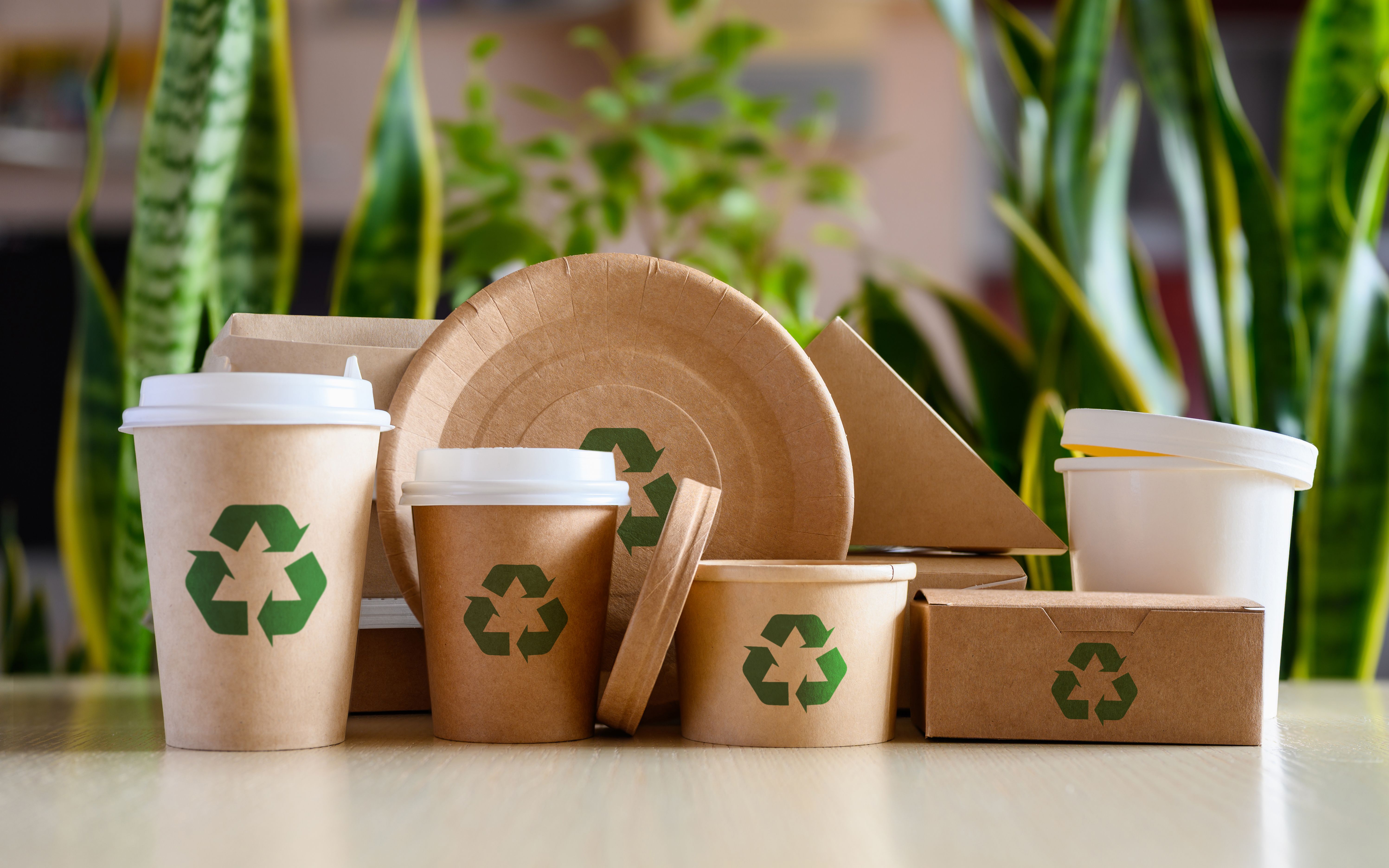
There are several sustainable materials to consider for meal prep packaging. Here are a few popular options:
- Biodegradable Plastics: Made from natural materials, they break down more easily than traditional plastics.
- Recycled Paper: An excellent choice for lightweight packaging needs, like wraps and boxes.
- Compostable Materials: These materials decompose into non-toxic components, making them ideal for eco-conscious consumers.
Certifications and Standards
When selecting sustainable packaging, look for certifications that ensure the materials meet environmental standards. Certifications like FSC (Forest Stewardship Council) for paper products or BPI (Biodegradable Products Institute) for compostable items can guide your choices.
These certifications provide assurance that the materials are responsibly sourced and processed, helping you maintain transparency with your customers.
Cost Considerations
While sustainable packaging might seem more expensive upfront, consider the long-term benefits. Eco-friendly practices can lead to cost savings through reduced waste and improved efficiency. Additionally, the boost to your brand reputation and potential increase in customer loyalty can offset initial expenses.
Compare costs across different suppliers and consider bulk purchasing to reduce expenses. Always weigh the cost against the potential return on investment.

Partner with the Right Supplier
Choosing the right supplier is crucial for ensuring consistent quality and availability of sustainable materials. Look for suppliers with a proven track record in sustainability and customer service. Establishing a strong partnership can lead to better pricing, reliable supply chains, and innovative packaging solutions.
Ask for samples and test the packaging with your meals to ensure it meets your requirements before committing to a supplier.
Encourage Customer Participation
Engage your customers in your sustainability journey by educating them about your packaging choices. Provide information on how to properly dispose of or recycle your packaging. This not only reinforces your brand’s commitment to sustainability but also empowers your customers to make environmentally friendly choices.
Consider offering incentives for customers who return or recycle packaging, fostering a community of sustainability-minded individuals.